The palm tree, also considered as the image of tropical paradise, is
of greatest importance. There are many people who think that these
plants grow in beaches, but no these sturdy plants grow in various
places. There are many surprising facts about these plants that you may
not know. So, below given are a few facts about palm trees in Carolina.
More than twenty five hundred species of palm trees
These plants belong to the Araceae family of plants which are found in the entire world.
They grow differently
These evergreen plants are found in various forms like shrubs, trees, vines, etc.
Comprises of two different types of leaves
Palm
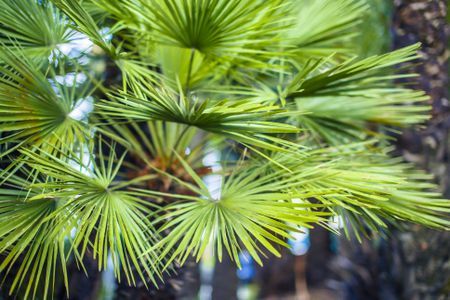
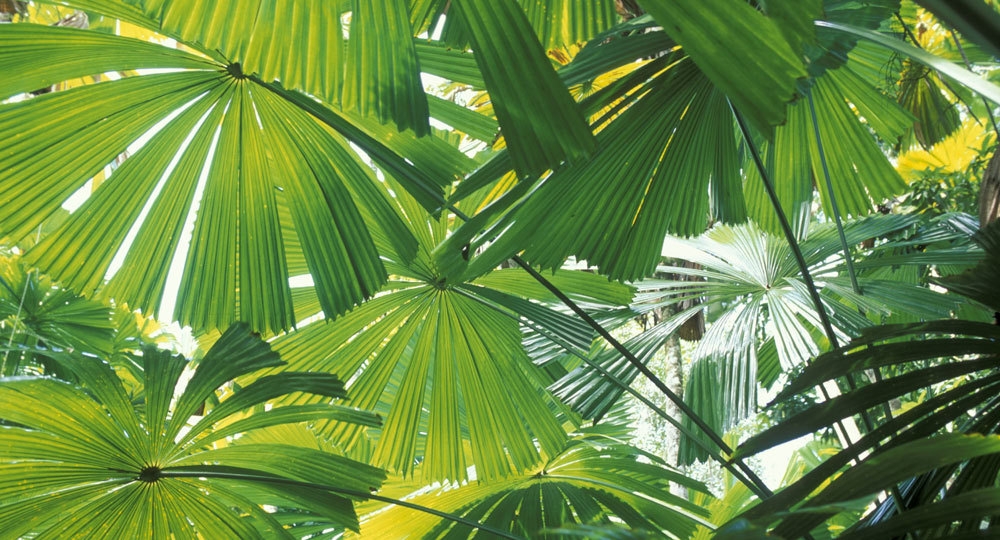
trees possess two various types of leaves. The first one is the palmate
and the second one is pinnate. The palmate grows in bunches, whereas
the pinnate grows like feathers on the side of the stem.
Essential religious symbols
In
the Bible, it is written that the people have greeted triumphant Jesus a
week before he died and thus the Sunday before the week of Easter is
called as Palm Sunday. Palms are also mentioned in the Qurans several
times.
Products of palm trees
Coconut is
not only the product of the Palm trees, but also the dates, betel nuts,
etc. also come from palm. Even from the fruit, oil is extracted which is
known as palm oil.
Grows best in USDA zones 8-10
Neither
you have to live in Florida or at any other place to use palm trees,
these plants grows in every environment and thus makes beautiful
landscapes no matter where you live.
National tree
These trees are considered to be the national tree of Columbia.
Size of the seeds
The seeds of these plants are 20 inches in diameter and are 66 pounds in weight.
Uses of the palm tree
Palm
branches are used as a symbol of victory and are given to the triumph
champions in earlier days. These plants are also used to prepare wines
known as kallu in Asia and Africa.
Above given are few facts that
you may not know about palm trees. Would you like to opt for palm tree.
If yes, then contact Palm Tree Depot. It offers an in house
transportation dept. It offers palm trees in Carolina at an affordable
price. If you want to place order, place it here at http://www.palmtreedepot.com/
Florida has various kinds of native palms. Most of the palms are tropical or subtropical and are not tolerant of temperature below freezing. Sabal palms are a group of cold hardy palms that belong to genera Sabal. These palms are used for utilitarian items like foods, medicine as well as for landscaping purposes. Sabal palms grow between 5 ft to 8 ft tall. It is a very cold hardy American palm that grows to over 60 feet tall. These palms are used in a variety of ways. Some of the uses of palms are as follows. Food The terminal bud and crisp hearts of cabbage palm are used as vegetables and are eaten by many people either in raw form or cooked form. Harvesting these parts kills the palm tree. Seminole people prepare bread from the fruit of the palm. Slices of roots were baked and consumed. Utilitarian items Leaves of the palm trees are used as roofing thatch. Palm fronds are made into basketry and lashing strips. Seminoles make the highest use of cab...
Palm tree, as you know is an important tree all over the world. People all around the globe make the use of it in different ways. There are various features of this tree for which it is opted by the people. In fact, you can say there are various advantages of the palm tree and its parts. Then what are the advantages of palm tree? Here are some of the advantages of palm trees which are as follows. Used as fermented beverage There is a type of palm tree which is used as a kind of fermented beverage because of its refreshing taste. The sap of the palm tree is sold by making a pincture made from bamboo. But unfortunately, these are found rarely now days. Material of palm wine Apart from being used as a drink, the advantage of this tree is that it produces sap, which is one of the raw materials that is used to prepare alcoholic beverages. Vinegar Palm vinegar is usually prepared from the palm tree. No doubt it is outdated nowadays and is replaced with kitchen vinegar. ...
Plants aren’t only vulnerable to cold in the wintertime. Wind flow and drought play their part too! Cold in blend along with wetness is also often a killer; by just considering things through and guarding you can garner amazing results with your palm intelligently. It’s important never to use clear plastic foil or bubble cover to protect the plant in the garden. It’s essential that the plant breathes well; if you cover it up with foil it’ll simply suffocate and rot Protecting your Palm in winter If the temps will drop below the particular level of which you should start safeguarding your palm, you ought to follow this. First cover the leaf crown with garden fleece, if necessary double, cover the trunk with bamboo mats then. Tape the fleece overhang to the bamboo mats. Finally, cover the bottom to about 50cm across the trunk with nice mulch. Don’t over protect! Once a cool snap has exceeded, unwrap the hand as appropriate and allow it breathe. Troubleshooting J...


Comments
Post a Comment